

Enterprise payroll is payroll for large, complex organisations. It covers many employee groups, pay rules and data sources. It sits under pressure from Finance, auditors, HMRC and employees and must be done right. Given this, only one pay run per month is often too rigid.
A pay run is the end-to-end cycle that turns approved data into pay. It includes validation, calculation, approvals, payment files and reporting. Multiple pay runs means you run that cycle more than once in a month, in a controlled way. Off-cycle payroll is a pay run outside the normal schedule, usually for urgent or one-off pay.
Some enterprise payroll teams worry that extra runs mean extra work, which can happen if they're unplanned and messy. In practice, the opposite is often true when the model is designed well. You reduce firefighting by turning exceptions into a routine process.
Enterprise payroll needs flexibility because the business doesn't pause for payroll calendars. People events, pay changes and data approvals happen across the month. A single monthly pay run can create delays, manual workarounds or both.
Why the single monthly pay run no longer works for enterprise payroll
- A single monthly pay run assumes stable inputs and predictable timing - it assumes starters, leavers and changes arrive before a fixed cut-off. It also assumes managers approve variable pay on time. In enterprise payroll, these assumptions can fail.
- At scale, small delays become large volumes - one late file might contain hundreds of employees. One missed approval can trigger multiple corrections and queries. The knock-on effect is fast and can be hard to contain.
- A monthly cut-off creates a hard edge - if data arrives late, it falls into next month’s pay. That might be acceptable for a minor allowance or small expense claim. But it’s not acceptable for a new starter who’s already worked for the majority of the month and reliant on their salary from their new employer.
- Underpayments create the same problem - if hours are wrong, the employee is underpaid and the impact is immediate. Waiting until next month to correct it often feels unfair. It also increases payroll queries and escalations.
- Employees plan their lives around pay dates - it's a human reality that never goes away. When pay is wrong or late, it creates stress quickly which can impact both operationally and emotionally. Payroll teams then face urgent chasers, escalations and loss of trust.
- Enterprise organisations have more sources of change - HR systems update jobs and salaries. Time systems feed hours and premiums. Benefits and pensions create deductions and adjustments. Finance asks for costing and journals, often with tight deadlines.
- A single monthly run turns all that into one risky moment - the payroll team has one narrow window to catch errors. If they miss something, the next chance is a month away. The gap is what drives off-cycle payroll in the real world.
- UK reporting rules also push employers and payroll teams towards flexibility - Real Time Information (‘RTI’) is HMRC reporting that happens every time employees are paid. A Full Payment Submission (‘FPS’) is sent on or before the payment date. If an extra payment is made, an extra reporting point is needed.
The question is not whether off-cycle payments happen. It’s whether they happen in a controlled, auditable way. A rigid monthly model often leads to informal fixes outside payroll which increases risk and reduces visibility.
Learn how to reduce your off-cycle payroll chaos
Growth creates complexity in enterprise payroll, even when pay policy stays simple
Many organisations start with one monthly pay cycle. It works when the workforce is small and changes are limited. As the organisation grows, the workforce becomes more varied. Different roles have different pay elements and different approval routes.
Employers might have multiple sites with different shift patterns. They might have sales teams with commission and support teams with overtime. They may also have contractors, casual workers or seasonal peaks. Even if they keep one pay frequency, they still can still have multiple pay events.
Change programmes add more pressure. Mergers and acquisitions bring new policies and legacy systems. Aligning pay rules takes time, and temporary rules are often needed. During that period, payroll needs more checkpoints, not fewer.
How one pay run in enterprise payroll encourages risky workarounds
When the calendar is rigid, people may create shortcuts. Managers ask payroll to make an exceptional payment by fix a problem. HR teams send information late, then chase for exceptions. Payroll staff make manual adjustments because the main run has already closed.
The workarounds can solve today’s problem but can also create tomorrow’s payroll compliance and audit issues. They often create unclear records, especially when deductions and tax are handled outside the normal process. Over time, it can damage confidence in payroll operations.
A better approach is simple in concept. Keep the monthly run as the anchor. Add standard, controlled runs for predictable exceptions.
Book a demo to see how PayCaptain helps manage late changes without risky workarounds
Common scenarios that require multiple pay runs
Off-cycle payroll exists because payroll problems often arrive with urgency. Some are urgent because the employee needs money. Others because the organisation needs to meet a promise or reduce risk. In large organisations, these scenarios are frequent enough to plan for.
If employers already make ad hoc payments, they already have off-cycle payroll. The only question is whether it’s governed. A governed model has clear triggers, approvals, checks and reporting. It also has a clear audit trail for later queries.
Starters who miss the cut-off
New starters don’t always join neatly at month start. They may start mid-month, after a notice period or after checks complete. If they miss cut-off, they might wait weeks for their first pay, which harms retention, especially in high-demand roles.
It also creates avoidable workload. The starter chases HR, HR chases payroll and payroll chases data. The manager gets involved because the employee is unhappy. A small off-cycle run for late starters can prevent that spiral.
In enterprise payroll, late starter pay can include allowances, shift premiums or onboarding payments. It may also need correct tax and pension treatment from day one. Enterprise payroll software handles this cleanly.
Leavers and final pay
Final pay can be complex. It can include payment for untaken holiday or recovery for excess taken. It can include deductions that must stop at the right time or overpayment recovery agreements.
Timing matters here. Delays create disputes and create debt. If you overpay a leaver and notice later, recovery can be hard. If you underpay and delay correction, you create complaints and reputational risk.
A controlled leaver run can also protect compliance. Final deductions and statutory calculations need consistent handling. It’s easier to do this through payroll than via manual payments. The record is clearer and the reporting is consistent.
Variable pay that arrives late
Variable pay is common in enterprise payroll. Overtime, shift premiums, call-out pay and commission depend on approvals. Approvals sometimes land late because managers have operational priorities. Some managers also wait for final rota changes or sales figures.
When variable pay misses cut-off, a monthly model forces a poor choice. Payroll teams either delay payment or rush changes near pay day. Delays harm employees, especially lower-paid workers. Rushed changes increase the risk of errors.
A planned additional pay run can solve this with less drama. A separate cut-off for the variable element is set. That pay type is validated, which makes checking faster. The stability of the main run in protected.
Corrections that can’t wait
Errors happen, even in well-run teams. Data arrives late, roles change and human mistakes occur. The difference between good payroll and poor payroll is how the errors are responded to. Waiting a month to fix pay, understandably, feels unacceptable to employees.
Common urgent corrections include missed hours, wrong rates or wrong bank details. They also include late tax code updates that affect net pay. In some cases, a statutory payment may be underpaid due to late absence data. These are issues that can trigger real hardship.
An off-cycle payroll correction run can be small and focused. It can include a handful of employees and one reason code. It still needs controls, but it doesn’t need to disrupt the main run.
Talk to a payroll expert about setting up controlled off-cycle payments
One-off payments with fixed dates
Some payments have a date promise. Sign-on payments may be due on a start date. Retention payments may be due at a milestone. Settlement payments may be agreed for a specific date.
Delaying these payments can create legal or employee relations risk. A dedicated one-off run prevents these payments from colliding with main payroll tasks. It also makes approvals clearer, because the population is smaller.
Organisational change and parallel workforces
During acquisitions or restructures, enterprise employers may run parallel populations. Different sites may keep different allowances for a period. Some staff may move to new contracts with staged changes, while some employees may stay on legacy rules.
A single monthly run can handle this, but it becomes fragile. Every extra rule increases checking time and increases the chance of mistakes. Multiple pay runs let employers separate populations and isolate risk.
How corrections, adjustments and bonuses should be handled in enterprise payroll
Corrections and adjustments are normal in enterprise payroll. The real risk comes from inconsistent handling. If each case is solved differently, errors multiply. If records are unclear, audits become painful and employee queries drag on.
Clear definitions help. A correction fixes an error in input or processing. An adjustment applies a change approved after cut-off. A bonus is a planned one-off payment, often with separate approvals and separate validation needs.
Once the type is defined, it’s important to choose the right route. Some items belong in the next main pay run. Some items require an off-cycle payroll run. Some items require a separate bonus run with enhanced controls. This stops everything becoming ‘urgent.’
Build a standard off-cycle payroll process
Off-cycle payroll shouldn’t be a chaotic exception. It should be a short, repeatable process. It should also use the same payroll engine, so deductions and reporting stay consistent. Manual bank transfers should be the last resort, not the default.
A practical off-cycle process often includes these steps.
- Confirm the trigger and the reason for payment
- Confirm the employee list and the payment date
- Confirm approver and second checker, with clear limits
- Calculate gross, Pay As You Earn (‘PAYE’) and National Insurance Contributions (‘NICs’)
- Apply pension, student loan and other deductions correctly
- Run validation checks and exception reports
- Reconcile totals to the approved request and to expected values
- Create an audit record of what changed and why
- Submit RTI with an FPS on or before payment date
- Communicate the outcome clearly to the employee and HR
In theory, this looks like a lot. In practice, it’s quick when the template is standard. It’s also quicker than dealing with weeks of escalations. The main gain is control, not speed for its own sake.
See how PayCaptain supports approvals, checks and audit for off-cycle payroll
Handle back pay and arrears with discipline
Back pay and arrears appear after pay awards, promotions, regrading or corrected hours. In enterprise payroll, they’re common because approvals can take time.
- Back pay needs careful handling because it crosses periods
- Tax and deductions are typically applied based on the payment date
- Pensions may treat some elements as pensionable and others as non-pensionable
- Statutory pay calculations can also be affected by changes in earnings history
A good approach starts with evidence. Confirm the effective date, the reason and the affected pay elements. Confirm whether the change affects pension contributions or salary sacrifice, then produce a clear breakdown that shows how the total was calculated.
Employees often accept back pay better when it is explained clearly. A short breakdown reduces repeat queries. It also reduces the risk of misunderstanding, especially when net pay does not match expectations. It’s another way multiple pay runs can reduce workload, not add to it.
Provide clear payslips and fast communication
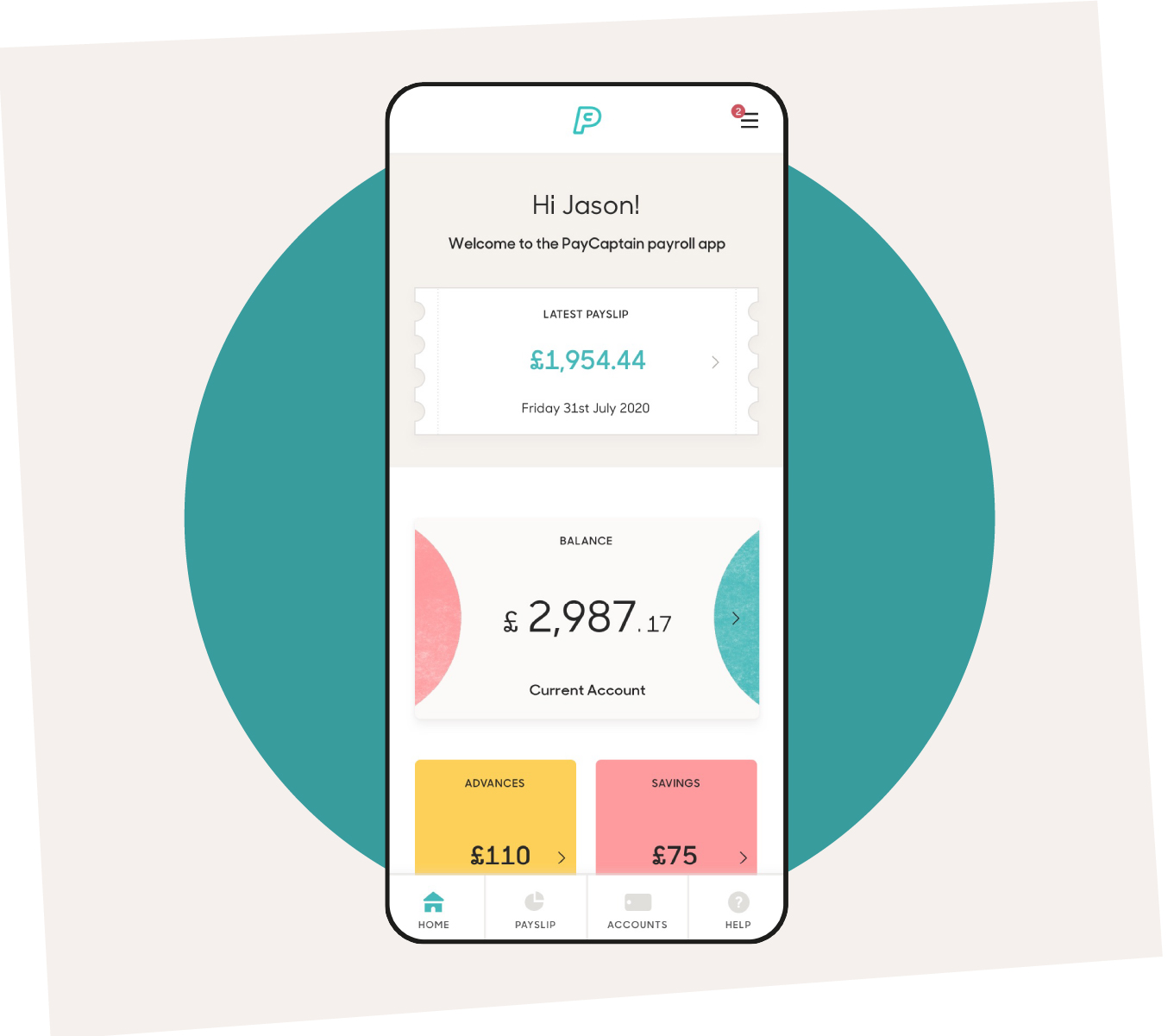
Corrections and bonuses often create questions because employees can’t see the detail and don’t understand how their pay is calculated. Mobile payroll apps help by showing clear online payslips with clear and simple explanations. When people understand the numbers, they chase less and it can have a significant impact on employee financial wellbeing.
In-app messaging also helps the payroll team stay in control. Employers can send a short note alongside the payment for actions like correcting underpayments. The message can include the pay period, the reason and what will happen next. This keeps communication consistent and reduces back-and-forth emails.
For employee support, the PayCaptain app provides a clear route for questions. It guides employees to the right category, like ‘missing overtime’ or ‘payslip query’, with an AI-Chatbot that answers most frequently asked questions before signposting to a payroll expert if the employee needs more help.
Build trust with your team with clear payroll information
Pay bonuses without destabilising the main enterprise payroll
Bonus payments can be high value and high visibility. They often come with large files and last-minute changes. They also generate intense interest, which means queries arrive quickly. If employers mix bonuses into the main pay run late, it raises risk sharply.
A separate bonus run gives HR and payroll teams focus. They validate one pay type and one population. They can run enhanced exception reporting, especially for outliers, and can use a stricter approval flow for totals and exceptions.
Bonus validation often benefits from parallel checks:
- Check file completeness, duplicates and missing employees
- Check unusually high or low values against rules
- Check identifiers carefully, because one wrong mapping can mis pay an employee
- Confirm the payment date and communication plan
A separate run also improves reconciliation. Finance can reconcile bonus totals to the approved budget. Payroll can produce clearer reporting for auditors. Employees receive a clearer explanation of what the payment is and what it’s not.
The impact of rigid pay cycles in enterprise payroll on the employee experience
Payroll isn’t just a back-office process. It’s one of the few processes every employee experiences directly. People judge it by outcomes, not effort. They care about accuracy, clarity and timing.
When pay is wrong, employees feel it immediately. Bills don’t wait because payroll had a late file. Many people have limited buffer for unexpected shortfalls. That's why rigid pay cycles can create real stress.
They also create uncertainty. If the message is ‘we’ll correct it next month,’ the employee has to carry the problem. They may borrow money, take out expensive credit, miss payments or incur bank fees. Even if the organisation reimburses fees, the stress has already happened.
The impact spreads beyond the employee. Managers spend time handling complaints and chasing updates. HR teams pick up escalations and grievances. Payroll teams lose time answering repeated queries, which reduces time for quality checks. It’s how a rigid model drives more errors over time.
Trust depends on how you handle the exception
Most employees understand that mistakes can happen. What they struggle with is silence or slow response. A structured off-cycle payroll model improves response time and clarity. It also gives HR and managers a clear message about what will happen next.
Trust is built through repetition. Correct pay, on time, every time, with clear explanation when change occurs. One monthly run gives enterprise businesses fewer chances to put things right quickly. Multiple pay runs give them controlled opportunities to correct, top up or pay a missed element.
Financial worry is a major source of stress. Employers can’t control everything in employees’ lives. But they can control whether pay is accurate and timely. Flexible payroll operations support employee wellbeing in a practical way.
Turn exceptions into a routine process, so payroll stays calm under pressure
How modern enterprise payroll systems support flexible pay models
Flexible payroll needs strong systems and strong governance. It’s not about paying whenever someone asks. It’s about designing run types that match predictable needs. Modern systems make that easier, but the operating model still matters.
Enterprise payroll often runs multiple payroll groups. Different groups may have different rules, different cut-offs and different approval routes. A good HMRC-recognised payroll system supports that structure without losing visibility. It also supports consistent payroll reporting across groups.
Separate run types and calendars
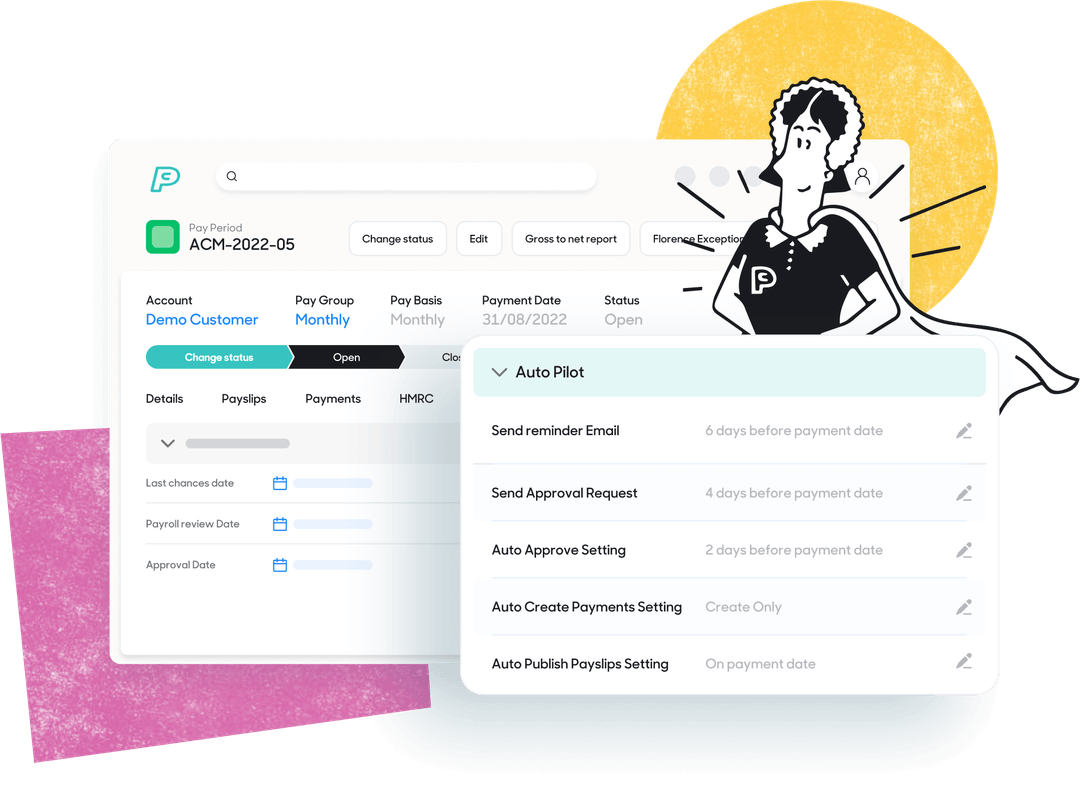
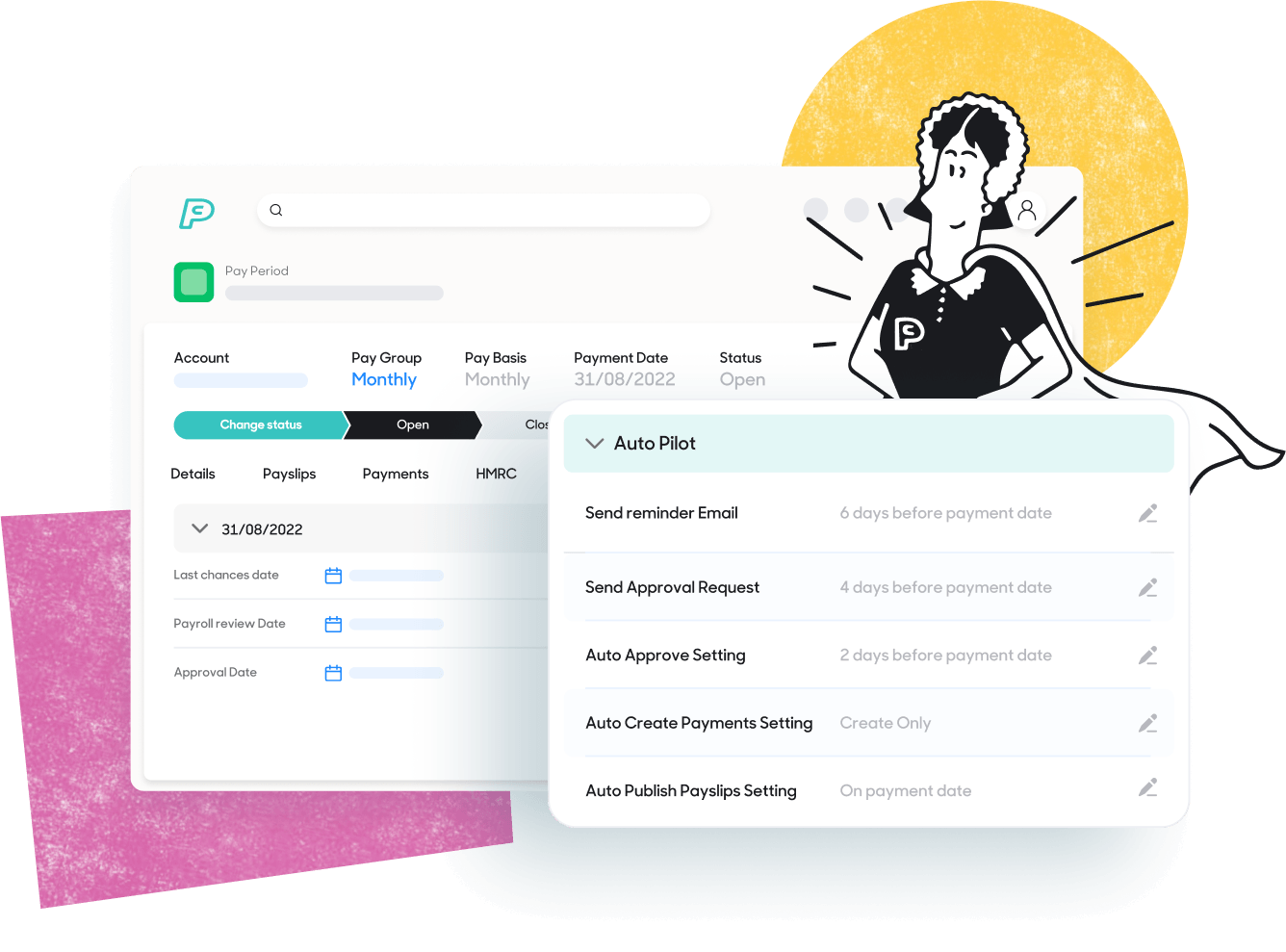
Modern systems support multiple calendars. That means employers can keep the main monthly run stable. They can then schedule additional runs for defined purposes, such as late starters or overtime. Each run can follow the same workflow, with separate approvals.
Run separation reduces risk in a simple way. Fewer things change at once. Less data is validated. And the chance that one urgent case contaminates the wider payroll is reduced. This is especially useful when employers have high volumes.
Controls that matter at scale
Flexibility without controls becomes chaos. Enterprise payroll needs clear permissions, approvals and audit trails. Role-based access reduces unsafe changes. Dual approval reduces rushed decisions when deadlines are tight.
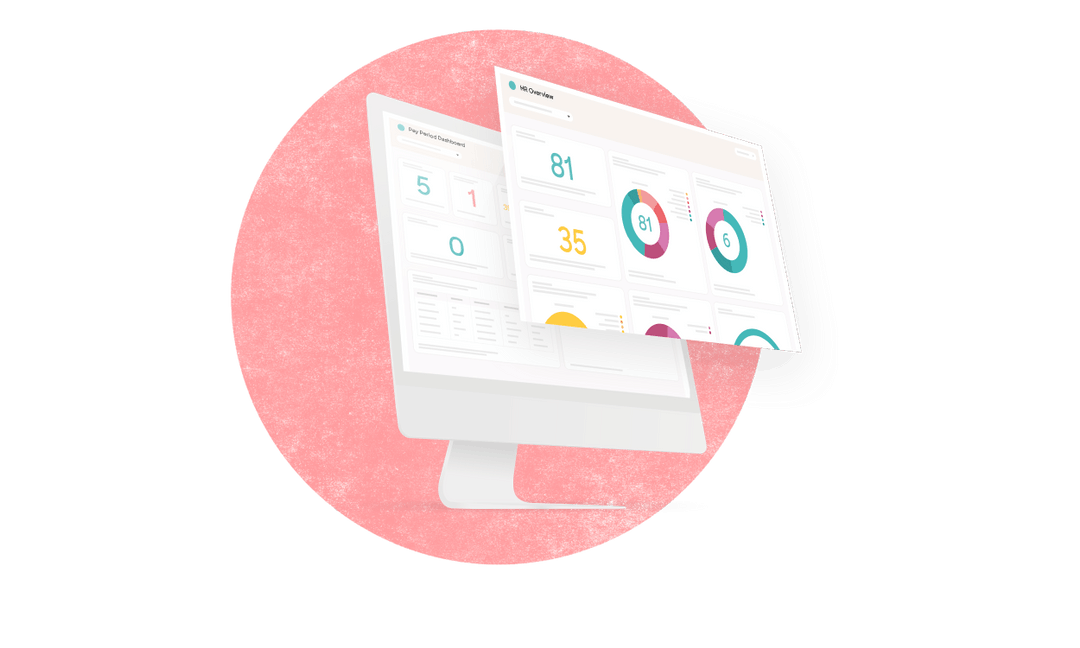
Validation and exception reporting are just as important. Employers need checks that flag outliers, missing data and sudden changes. They also need clear reconciliation so totals match approved requests. These controls make extra runs safer, not riskier.
PayCaptain’s AI-powered payroll software supports this control layer. It flags exceptions early, route tasks for approval and keeps a clear record of what has changed. AI-powered payroll helps runs stay consistent, even when volumes rise.
A useful set of enterprise controls often includes these elements:
• Role-based access for sensitive actions
• Two-step approval for high-value or high-risk payments
• Exception reports that flag unusual values and missing inputs
• Clear change logs for pay elements and bank details
• Reconciliation reports that compare periods and totals
These controls also support continuity. When a key payroll person is off, the process still runs. This is something that reduces dependence on individuals and improves resilience. It also keeps employee experience steady during busy periods.
Reduce risk in extra runs with role-based access, approvals and clear audit trails
Integration reduces late data, but doesn’t remove exceptions
Late data is a common cause of off-cycle payroll. Integration between HRIS and payroll systems helps by moving data earlier and reducing manual handoffs. HR data can flow for starters, leavers and job changes. Time systems can feed hours, premiums and absences. Expenses systems can feed approved claims.
Even with integration, exceptions will still happen. New employees join after cut-off and managers approve late. Corrections still occur and one-off payments still exist. Integration reduces volume and improves quality, but doesn’t make payroll static. That’s why flexible payroll operations still matter.
Flexible pay and earned wage access
Some organisations allow earned wage access (‘EWA’). EWA lets employees access part of their accrued pay before payday. For some employees, it eases cash flow pressure between pay days, but it can create confusion if communication and reconciliation are weak.
If an employer offers EWA, payroll should stay the source of truth. Eligibility, limits and cut-offs should be defined clearly, then applied consistently. Advances should be reconciled to the final payroll result each period, using net pay as the anchor. Employees should be told what to expect on payday and what will be recovered.
PayCaptain supports salary advances in a clear, controlled way. The service is fee-free for both employers and employees. For weekly and emergency payments, PayCaptain funds the payment first, then recovers it from the employee’s net pay on payday. This helps protect the employer’s cash flow while supporting employees and ensures payments can be made quickly.
PayCaptain options include:
• Weekly payments of up to £50, paid into the employee’s bank account every Monday morning
• A one-off emergency payment of £200, paid into the employee’s bank account from accrued wages
• Employer-funded one-off payments for approved items like bonuses or expense repayments, paid outside the main run when needed
Weekly payments can help with weekly costs like travel and lunches. Emergency payments can help with an unexpected expense, while protecting the majority of the employee’s pay. Employer-funded one-off payments can reduce delays when approvals land after cut-off. Each option still needs clear rules, clear approval and clean reconciliation.
EWA doesn’t replace off-cycle payroll. It doesn’t fix missing overtime, wrong rates or late starters. It sits alongside payroll, so controls still matter.
See PayCaptain’s salary advances in action, book a demo here
Key takeaways for HR and payroll teams working with enterprise payroll
Enterprise payroll needs more than one pay run per month because change happens on multiple occasions throughout it. A single monthly run forces delays, rushed changes or informal workarounds. Multiple pay runs provide controlled ways to pay late starters, handle leavers and correct urgent errors. Off-cycle payroll isn’t a sign of failure; it’s a sign of mature operations.
Final thoughts from PayCaptain on multiple pay runs for enterprise businesses
The aim is off-cycle payroll for enterprise organisations is stability, not constant change. Organisations should keep the monthly run as the anchor and protect it. Then add standard runs for predictable exceptions, with clear triggers and clear checks. This approach reduces escalations, reduces errors and improves trust.
Employees feel the difference quickly. They see faster resolution, clearer communication and fewer repeat mistakes. Payroll teams also feel the difference, because peak-week pressure eases. In enterprise payroll, multiple pay runs is a practical route to better outcomes.
Speak to our payroll experts about building a controlled off-cycle payroll model