
What is employee financial wellbeing and how does payroll help?
Employee financial wellbeing relates to how secure and in control employees feel about their personal finances. It's measured by financial resilience — the main indicator being the level of savings an individual has access to. Payroll is uniquely placed to support employees with tools to build financial wellbeing at the point of being paid.

Employee financial wellbeing resources
Employee financial wellbeing resources help employers understand how payroll can support savings, budgeting and long-term financial resilience.
What is employee financial wellbeing?
Employee financial wellbeing is how secure and confident an employee feels about money both at work and home. It includes meeting regular costs, coping with surprise bills and planning ahead. It also reflects how someone feels about their finances, because stress affects people differently. Learn more about the 10 pillars of employee financial wellbeing.

Stability
Pay covers essentials and bills get paid on time.

Resilience
There's some money set aside for shocks, like a repair or unexpected bill.

Financial confidence
The employee understands their money and can make choices they trust for the future.
Why employee financial wellbeing matters
Employee financial wellbeing matters because money worries affect life inside and outside work. Stress about bills can make it harder to sleep or concentrate. It can also make daily life feel less stable.
At work, poor financial wellbeing can lead to absence and lost focus. Employees may find it harder to take action or deal with pressure. Over time, it can affect performance and retention.
The role of payroll in financial wellbeing
Payroll affects financial wellbeing because it shapes how employees receive and understand their pay. When pay is accurate and on time, employees can budget with more confidence. Clear payslips also help employees understand changes in pay or PAYE deductions.
Payroll can also support financial wellbeing through tools linked to pay — technology can improve financial wellbeing in the workplace with savings options, payment splitting or safe access to earned pay. Payroll is one of the only areas with 100% workforce engagement, bringing a uniquely accessible and universal way to offer tools to help employees build financial resilience.
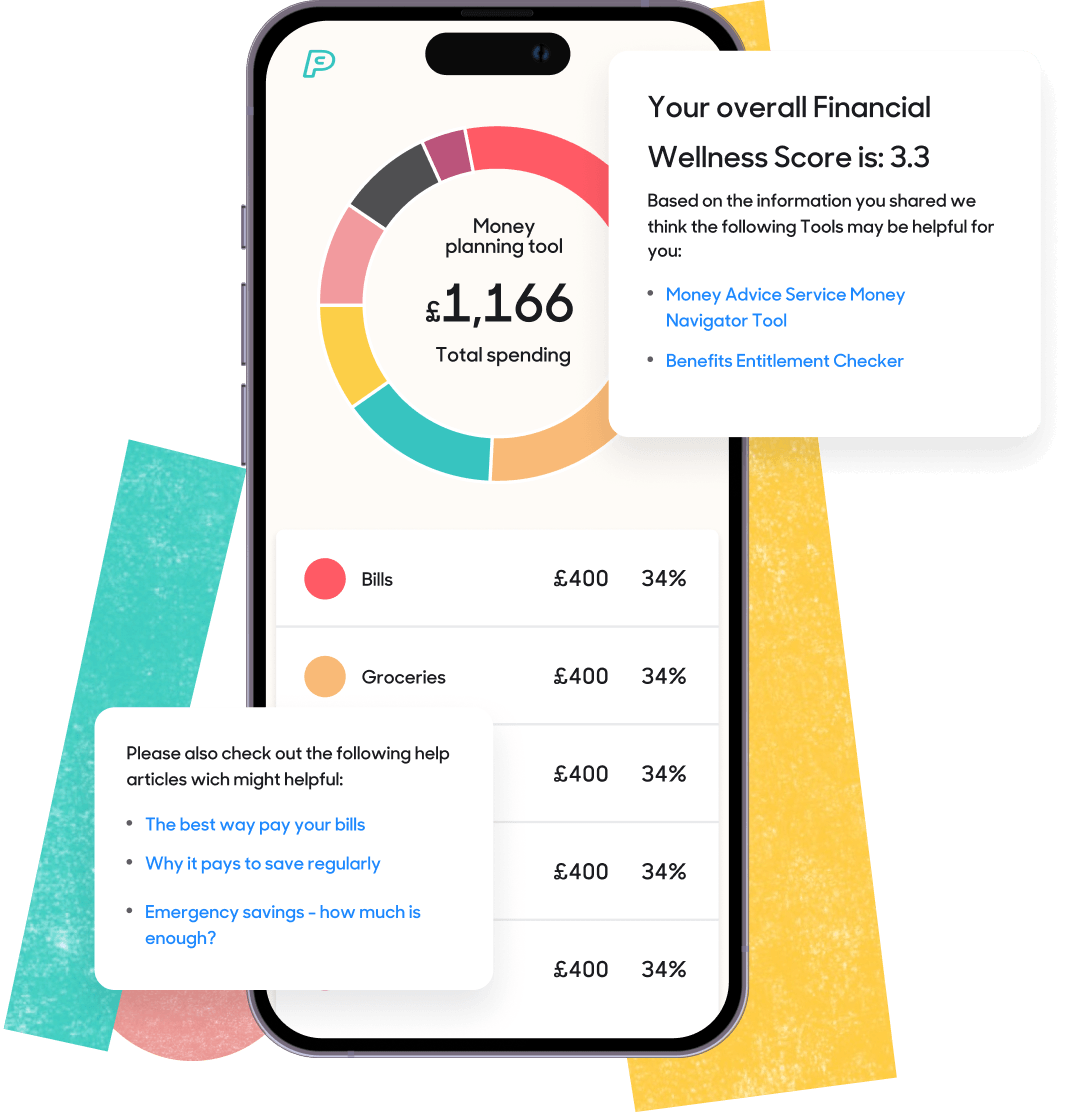
Going beyond the basics, payroll will often have individual insights which can lead to offering personalised suggestions to employees on positive steps they could be taking with their income. For example, a tax code change may increase an employee's take-home pay, meaning they may be in a position to build savings each month.
Common financial challenges employees face
Rising costs, debt and irregular pay can make it hard to manage money. Issues that employees face include:
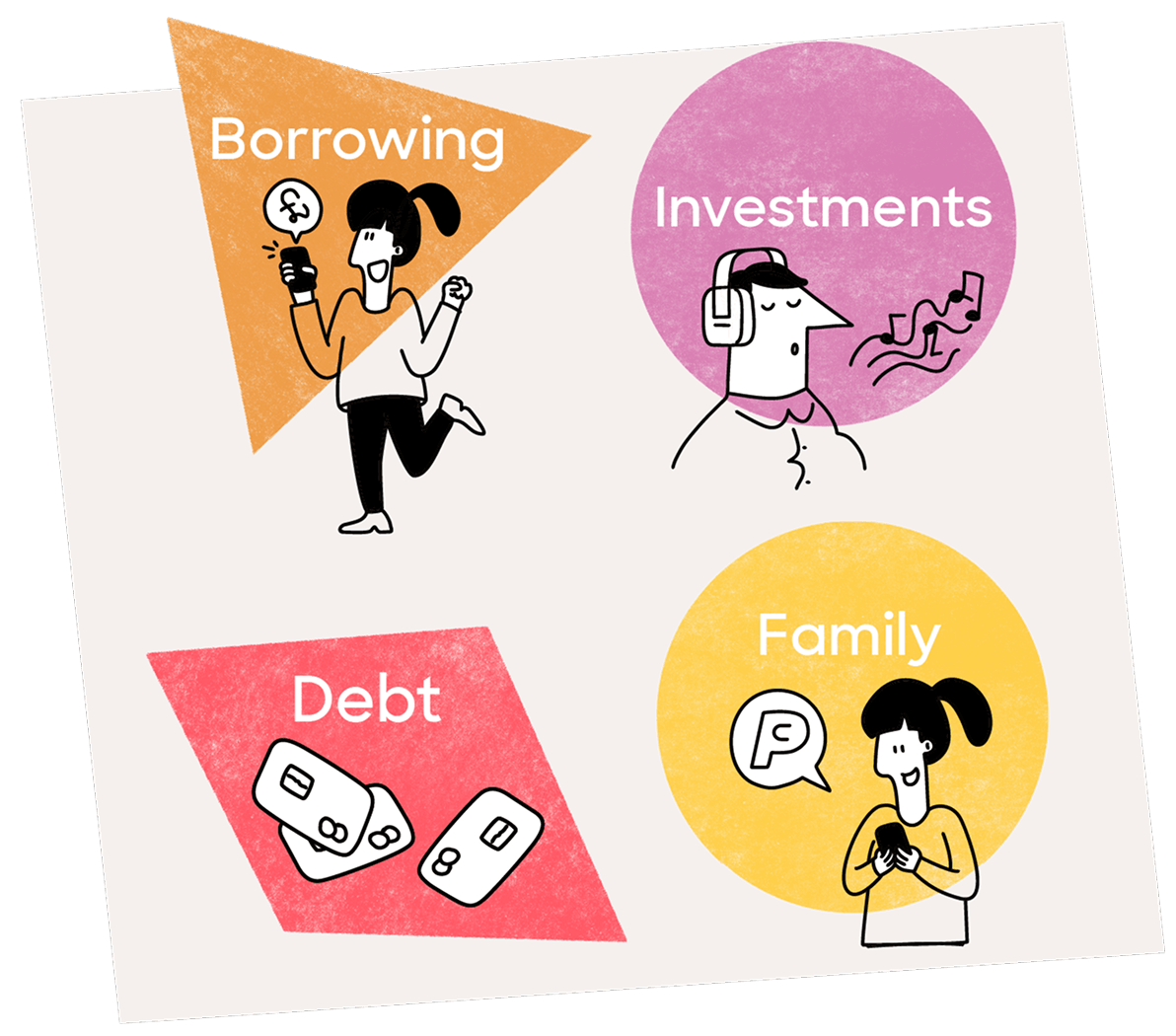
Cost of living pressure
Higher housing, energy and food costs squeeze monthly budgets.
Debt
Regular repayments can pile up and leave employees worried about missing payments.
Lack of savings
Without a savings buffer, a repair or unexpected bill can push someone into short-term expensive credit options and spiralling debt.

Income volatility
Variable hours or irregular pay makes planning bills harder between paydays.
Payroll-led wellbeing support
Payroll can support financial wellbeing in clear, day-to-day ways. When pay is correct and on time, employees can manage bills with more certainty. See how to improve your employees' financial wellbeing and how to invest in it.

Online payslips with clear notes on deductions

Automated payroll savings contributions into FSCS-protected interest-bearing accounts

Split payments from net pay for key bills

Controlled emergency payments for unexpected costs

Reporting pay details to HMRC through RTI and paying HMRC by the deadline

Keeping payroll records that show what was paid and how it was worked out

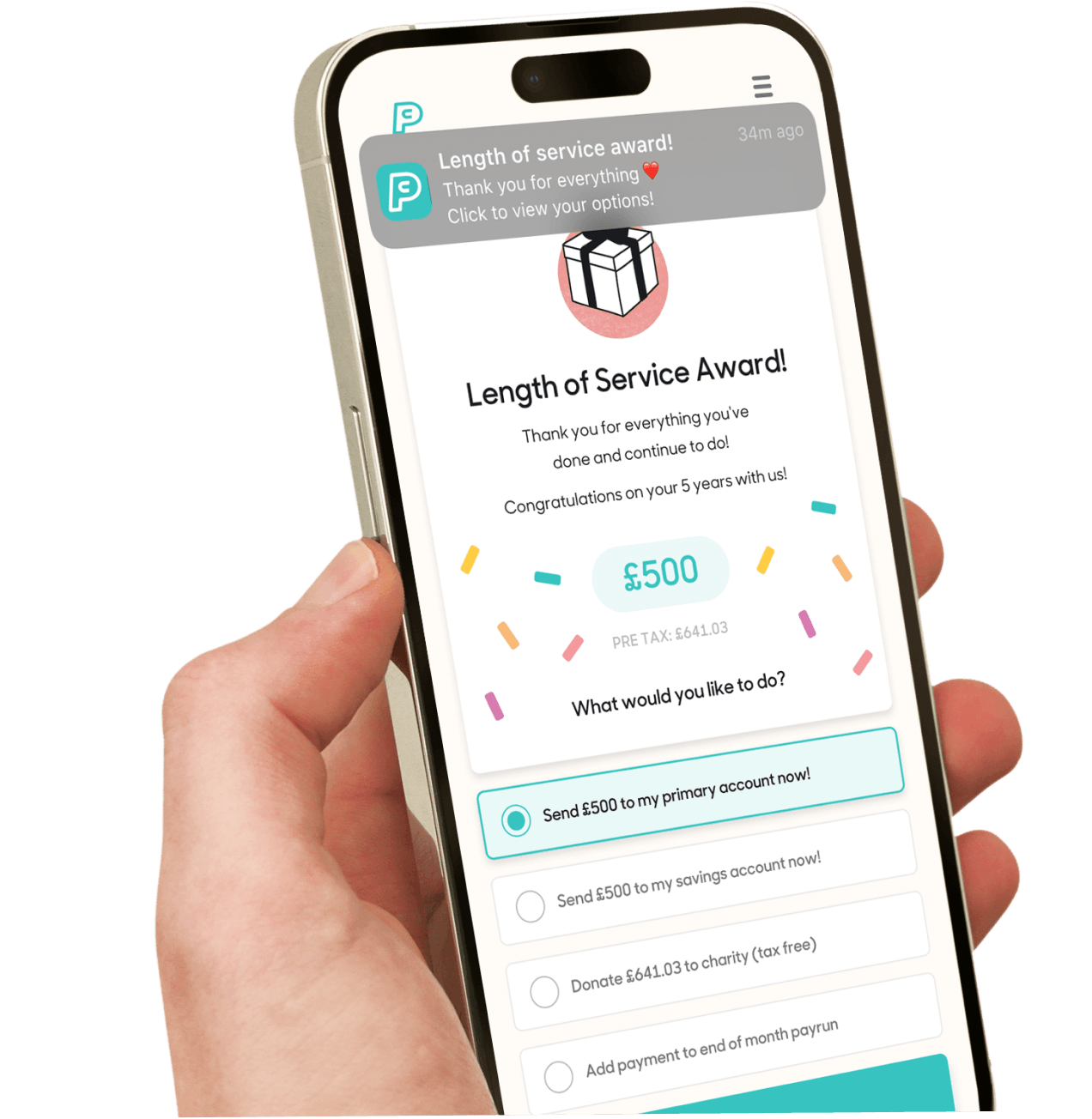
Faster payments for expenses or bonuses

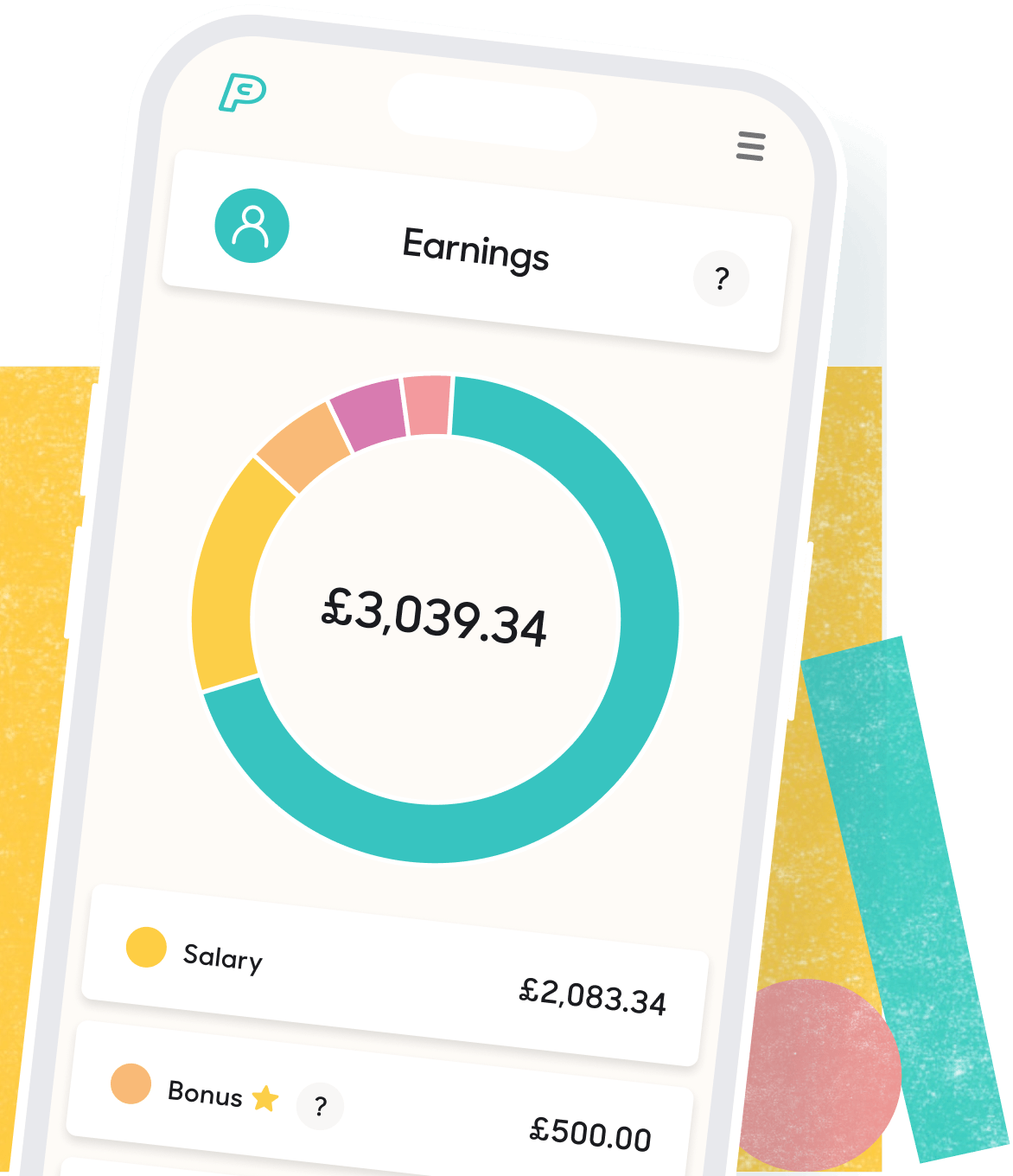
Income tracking for hourly paid people and built-in budgeting tools

Pension transparency — track pension growth and predict retirement outcomes. See how SMEs can create a culture of retirement readiness.
Further wellbeing resources

Frequently asked questions
What is financial wellbeing?
Financial wellbeing is feeling in control of money, both now and in the future. It means being able to cover regular bills, deal with unexpected costs and plan with confidence. Income matters. So do debt, savings and how manageable money feels day to day.
It’s not about being wealthy. It’s about whether money feels stable and manageable. Someone with good financial wellbeing can usually keep up with everyday costs. They also have more room to handle change without undue stress.
Why does employee financial wellbeing matter?
Employee financial wellbeing matters because money worries rarely stay in one part of life. Financial stress can affect work, relationships and overall health. When employees feel more financially secure, day to day life feels calmer and more manageable.
At work, poor financial wellbeing is a direct cause of absenteeism and presenteeism. It can make it harder for employees to focus and cope with pressure. Over time, poor financial wellbeing can seriously affect performance, retention and the wider workplace experience.
How can employers support financial wellbeing?
Employers can support financial wellbeing by getting the basics right first. Paying employees correctly and on time helps them budget with more confidence and less stress. Clear payslips also matter, because employees need to understand what they’ve been paid and why deductions have been made.
Employers can also offer practical help around pay. This might include tools that support saving, budgeting and short-term cash flow. Financial education and regular toolbox talks can help employees build financial knowledge and confidence. Debt-signposting and an open-door policy also matter, so employees feel able to ask questions and raise money worries without fear of stigma.
How do clear payslips improve financial wellbeing?
Clear payslips improve financial wellbeing because they show employees exactly what they’ve been paid, what’s been deducted and why. Clear payslips reduce confusion and help employees budget with more confidence.
They also make pay feel more predictable and less stressful. Employees don’t have to guess why their pay has changed or chase basic answers. This clarity can build trust and help employees feel more in control of their money.
What is earned wage access and how does it affect financial wellbeing?
Earned wage access, also known as salary advance, lets employees take some of the pay they’ve already earned, before their usual payday. It gives earlier access to wages, usually within rules set by the employer.
Salary advances can improve financial wellbeing for those with no savings buffer when it helps someone cover an unexpected cost without using overdrafts or other expensive borrowing. It can also ease stress between paydays and give employees more control over timing. On its own, it won’t fix money problems, it works best as part of wider employee financial wellbeing support.
Start making payroll a breeze
We'd love to talk about how PayCaptain can add value to your company and your employees. Click the button below to arrange a demo and see PayCaptain in action!


