

Payroll Software for Manufacturing: Why Generic Systems Keep Falling Short
Manufacturing payroll is harder to run well than most people outside the function realise - and generic payroll software often can't keep up.
A single pay run might need to account for three shift patterns, two collective bargaining agreements, overtime premiums that change depending on the day of the week, and a workforce split between salaried office staff and hourly shop-floor workers whose hours come from a separate clocking system entirely. Software built for a standard office workforce simply wasn't built for that level of variability.
Modernising payroll software for manufacturing isn't about adding features. It's about closing the specific gaps manufacturers run into every single pay period.
Why Manufacturing Payroll Carries More Complexity
Most payroll complexity in manufacturing comes from variability, not volume. A retail business might process thousands of payslips that all look roughly the same. A manufacturer processes fewer, but each one can be genuinely different from the next.
Shift Patterns and Overtime Rules
Shift patterns are the clearest example. Night shift premiums, weekend rates, and rotating work arrangements all need to be calculated correctly and consistently, not adjusted manually when someone notices a discrepancy.
Overtime adds another layer. Many manufacturing sites run on collective agreements that specify exactly when overtime kicks in and at what rate. Getting that wrong isn't just a payroll error — it's a potential industrial relations issue.
Multi-Site Operations
Multi-site operations compound this further. A manufacturer with three or four sites often has three or four slightly different sets of pay rules, shift structures, and even local agreements. These need to run through the same payroll process without one site's rules leaking into another's calculations.
Where Older Payroll Systems Start to Struggle
A lot of payroll software still in use across the manufacturing sector was built for a workforce that looks nothing like a modern shop floor. The gaps tend to show up in a few consistent places.
1. Time and Attendance Integration
This is usually the first gap, and it's often the one that's hardest to spot from the outside. The payroll software itself might look current — a clean interface, cloud hosting, all the modern trimmings. But if clocking data from the shop floor still has to be manually exported from a separate time and attendance system, cleaned up in a spreadsheet, and re-entered into payroll, none of that surface-level polish actually changes what's happening underneath: it's still a manual process, just one wearing modern software as a wrapper.
That gap between the two systems is where the real cost sits. Someone has to pull the clocking export, check it against shift rosters, correct the inevitable mismatches — a card that didn't scan, a shift that ran long, a worker who clocked in at one site and out at another, and only then re-key the corrected figures into payroll. Every one of those manual touchpoints is a place where a number can get transposed, a shift can get missed, or a correction can quietly fail to make it into the final run. On a factory floor with rotating shifts and multiple sites, those errors compound fast, and by the time they surface it's often in a payslip that's already gone out wrong.
2. Overtime and Shift Differential Logic
Systems that treat overtime as a flat rate, rather than a rule that depends on the day, the shift, and the collective agreement in place, force payroll teams to calculate the correct figure by hand and enter it as an override. That's exactly the kind of manual checking that breaks down as headcount and site count grow.
The result? Payroll runs take longer, because a chunk of every cycle is spent on manual calculation and cross-checking rather than review. The business is exposed to real financial risk, since a missed or miscalculated override means someone gets underpaid or overpaid and underpayment against a collective agreement isn't just an accounting fix, it's a potential grievance.
3. Reporting
Manufacturing finance teams often need labour cost broken down by shift, by site, or by production line — not just by department. Legacy systems built around a simpler organisational structure frequently can't produce that breakdown without a spreadsheet built by someone who understands both the payroll system and the business.
In practice, that means the finance team can't just pull the report they need. Instead, they have to request it, and someone in payroll has to build it manually by exporting the raw data and reconstructing the shift, site, or line-level view by hand in a spreadsheet. That takes time, and it's time spent on data assembly rather than analysis. It also means the business is often making cost decisions on a lag: if a production line's labour cost is running high, finance may not find out until the custom report finally comes together, rather than seeing it as it happens.
What Modern Payroll Software for Manufacturing Needs to Do
- Real-time integration with time and attendance or clocking systems, removing the manual export-and-reconcile step so hours worked flow straight into the pay calculation.
- Automated shift and overtime rules that apply the correct premium based on the day, shift pattern, and applicable agreement — rather than relying on someone remembering the rule and calculating it by hand.
- Multi-site handling so one payroll run can apply different rules to different sites automatically, instead of a person manually separating and recombining the data.
- Built-in compliance checks that catch a National Minimum Wage or holiday pay issue before submission, not after.
The Cost of Running on an Outdated Manufacturing Payroll System
The cost of an outdated system rarely shows up as one obvious failure. It shows up as accumulated friction:
- A payroll team that spends the days before every run reconciling clocking data by hand.
- An overtime calculation that gets double-checked manually because nobody fully trusts the system to apply the union rate correctly.
- A finance team that has to request a custom report every quarter because the standard one doesn't break costs down by site.
That friction has a real cost, and it affects both efficiency and trust. It's the hours a payroll team spends on manual correction instead of on the parts of the job that need actual judgement. And it's that kind of risk that erodes trust with the workforce fast, particularly on a unionised site.
Choosing Payroll Software Built for Manufacturing
Don't ask a provider whether their software can handle payroll. Most systems can manage a standard pay run without much trouble.
Ask instead whether it can handle a night shift worker on a collective agreement, at a different site, with a different overtime rule, without anyone on the payroll team needing to step in manually to get it right.
A provider that can answer that specifically, with real examples of how their system handles shift differentials, multi-site rules, and time and attendance integration, is telling you something real about the product. One that can't is probably describing generic payroll software with a manufacturing case study attached to it.
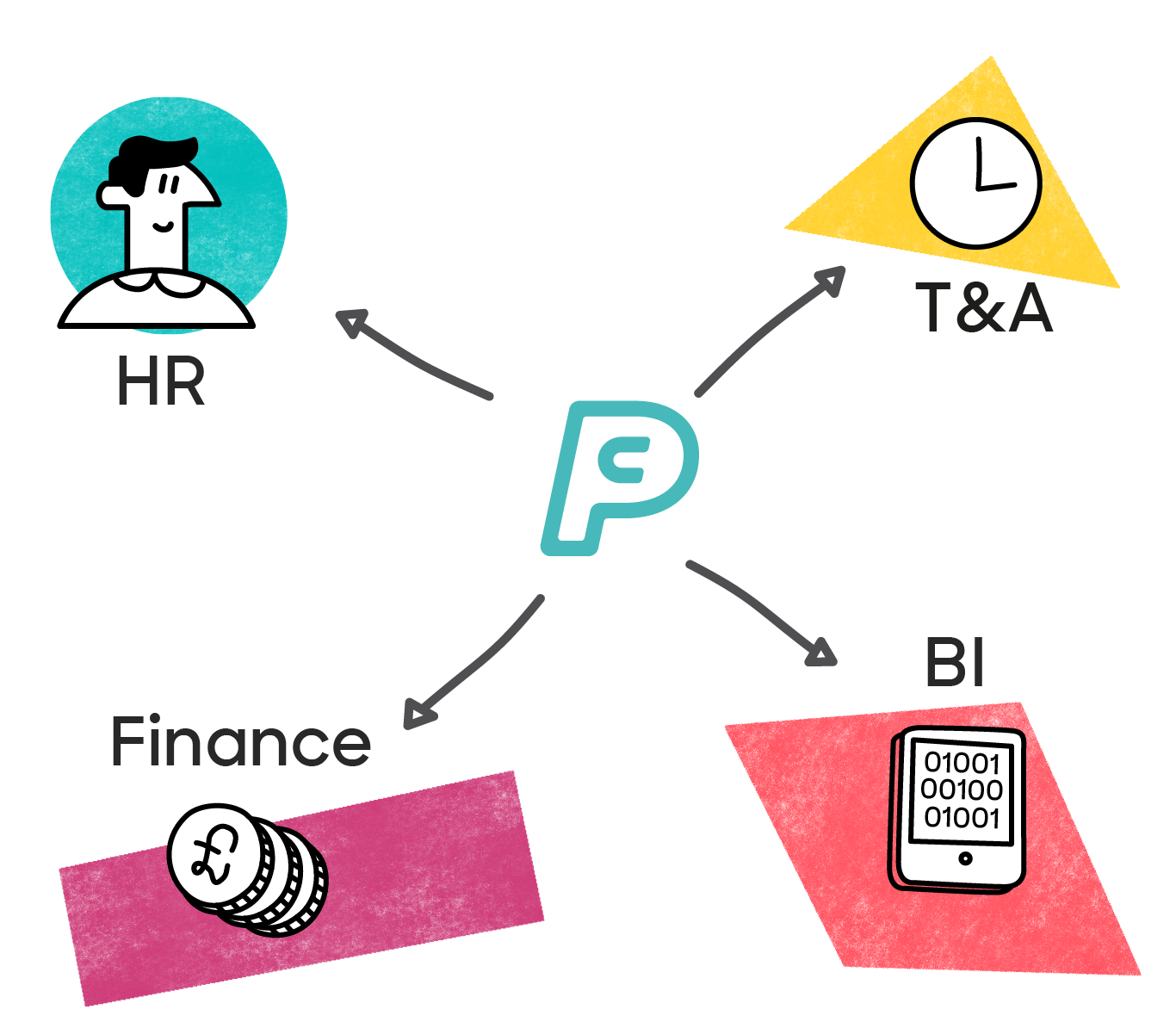
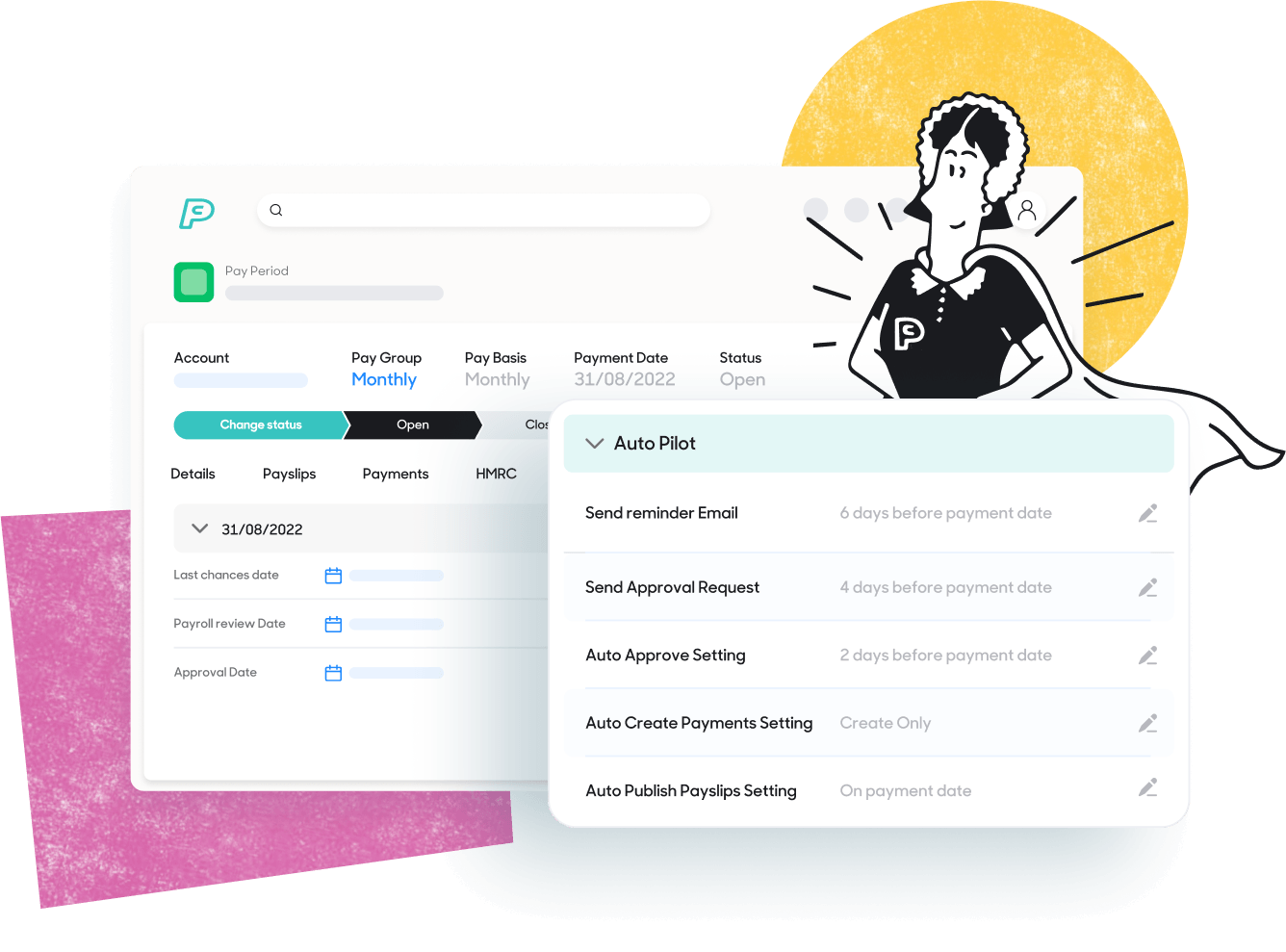
That's the gap PayCaptain's payroll software for manufacturing is built to close: shift and overtime rules handled automatically, time and attendance data feeding straight into payroll, and reporting that breaks costs down the way a manufacturing finance team actually needs it.
See how PayCaptain handles multi-site manufacturing - Book a demo